Overview of OHIP Coverage
Ontario Health Insurance Plan (OHIP) provides comprehensive coverage for extended cardiac monitoring services, making 14-day continuous ECG monitoring accessible to all eligible Ontario residents at no out-of-pocket cost.
As of 2025, the Ontario Ministry of Health has recognized the clinical value of extended ambulatory ECG monitoring for detecting intermittent arrhythmias, particularly atrial fibrillation (AFib), that often go undetected during standard 24-48 hour Holter tests.
Key Benefits of OHIP Coverage:
- Full coverage for 14-day extended Holter monitoring
- No referral barriers for eligible patients
- Streamlined billing process for healthcare providers
- Support for both in-clinic and remote monitoring setups
Understanding Billing Codes
OHIP uses specific fee codes for extended cardiac monitoring services. Understanding these codes is essential for both patients seeking coverage and clinicians managing billing.
G694: Extended Holter Setup
The G694 billing code covers the initial setup and patient education for extended cardiac monitoring:
- What it covers: Device fitting, patient instruction, and initial system configuration
- Billing requirements: Must be performed by qualified healthcare professional
- Documentation needed: Patient consent, clinical indication, device serial number
This code can be billed once per monitoring period and covers all setup-related activities including:
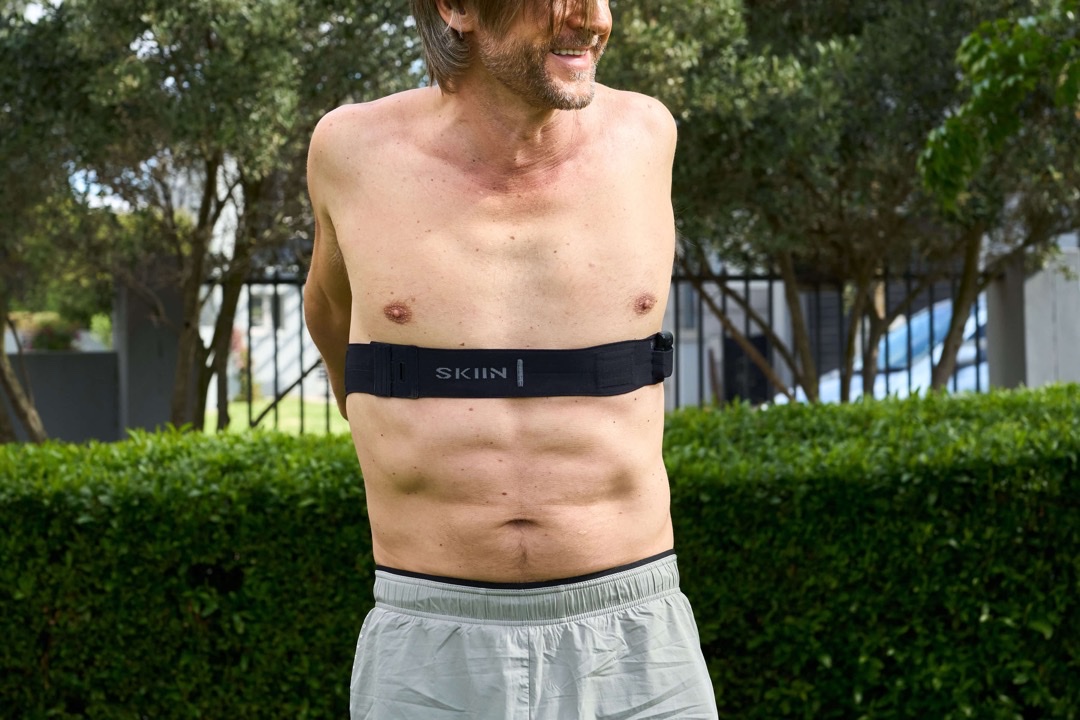
- Fitting the SKIIN™ smart garment to ensure proper electrode contact
- Demonstrating proper wear and care instructions
- Configuring the monitoring device and verifying signal quality
- Providing patient education materials
G695: Monitoring Period
G695 covers the active monitoring period during which cardiac data is continuously collected:
- Coverage duration: Up to 14 consecutive days of monitoring
- Data transmission: Includes secure cloud-based data upload
- Real-time alerts: Covers critical event notification systems
The monitoring period billing includes:
- Continuous ECG data collection and storage
- Daily data quality verification
- Patient support and troubleshooting
- Secure data management and privacy protection
G696: Analysis & Interpretation
The G696 code covers the clinical analysis and interpretation of collected data:
- What it covers: AI-assisted analysis, physician review, and clinical report generation
- Deliverables: Comprehensive cardiac rhythm report with clinical findings
- Timeline: Reports typically delivered within 48-72 hours of monitoring completion
Analysis includes:
- AI-powered arrhythmia detection and classification
- Heart rate variability analysis
- Burden calculations for atrial fibrillation
- Clinical summary and recommendations
Patient Eligibility
To qualify for OHIP-covered extended cardiac monitoring, patients must meet specific criteria:
General Requirements:
- Valid Ontario Health Card
- Clinical indication for cardiac monitoring
- Physician referral or direct access through participating clinics
Common Clinical Indications:
- Unexplained palpitations or racing heart
- Syncope (fainting) or pre-syncope
- Suspected atrial fibrillation
- Post-ablation monitoring
- Cryptogenic stroke workup
- Medication efficacy monitoring
Who Can Order the Test:
- Family physicians and general practitioners
- Cardiologists and electrophysiologists
- Emergency department physicians
- Internists and hospitalists
- Nurse practitioners (in collaborative practice)
How to Access Coverage
Getting OHIP-covered cardiac monitoring is straightforward:
Step 1: Consult Your Healthcare Provider Discuss your symptoms with your doctor. If extended monitoring is clinically appropriate, they can refer you directly to a participating monitoring service.
Step 2: Get Fitted for Monitoring Visit a participating clinic or receive a home delivery kit. A trained professional will fit you with the monitoring device and explain proper usage.
Step 3: Wear the Device Wear the comfortable SKIIN™ garment for up to 14 days while going about your normal daily activities. The device works during sleep, exercise, and even showering.
Step 4: Receive Your Results Once monitoring is complete, your data is analyzed and a comprehensive report is sent to your referring physician, typically within 48-72 hours.
Guide for Clinicians
Billing Best Practices:
- Document clinical indication clearly in patient records
- Submit claims using the Ontario Medical Association approved codes
- Keep records of device serial numbers and monitoring periods
- Ensure proper setup documentation for G694 claims
Integration with Practice Workflow:
Myant Health's clinical dashboard integrates with major EMR systems including:
- Oscar EMR
- PS Suite
- Accuro
- Telus Health
Reports can be automatically uploaded to patient charts, reducing administrative burden and ensuring timely follow-up.
Frequently Asked Questions
Q: Is there any cost to patients for 14-day monitoring? A: No. When ordered through the proper channels and billed under OHIP codes G694, G695, and G696, extended cardiac monitoring is fully covered with no out-of-pocket expense for Ontario residents.
Q: How long does it take to get an appointment? A: Myant Health offers appointments within 48-72 hours for most patients. Home delivery options are also available for those who cannot travel to clinics.
Q: Can I shower while wearing the monitor? A: Yes. Unlike traditional Holter monitors with adhesive electrodes, SKIIN™ garments are designed to be worn during bathing and are water-resistant.
Q: What happens if I need to remove the device temporarily? A: Brief removal (for example, to change garments) is acceptable. Extended removal may require additional monitoring days to ensure adequate data collection.
Q: How accurate is the data compared to traditional Holter monitors? A: Clinical studies have demonstrated equivalent accuracy between SKIIN™ textile-based monitoring and traditional gel electrode systems, with improved patient compliance due to superior comfort.